Understanding Circadian Rhythms
Natural Cycles
Circadian rhythms are natural 24-hour cycles that regulate sleep, wakefulness, and various physiological processes. These rhythms respond to environmental cues, particularly light exposure patterns.
Daylight Patterns
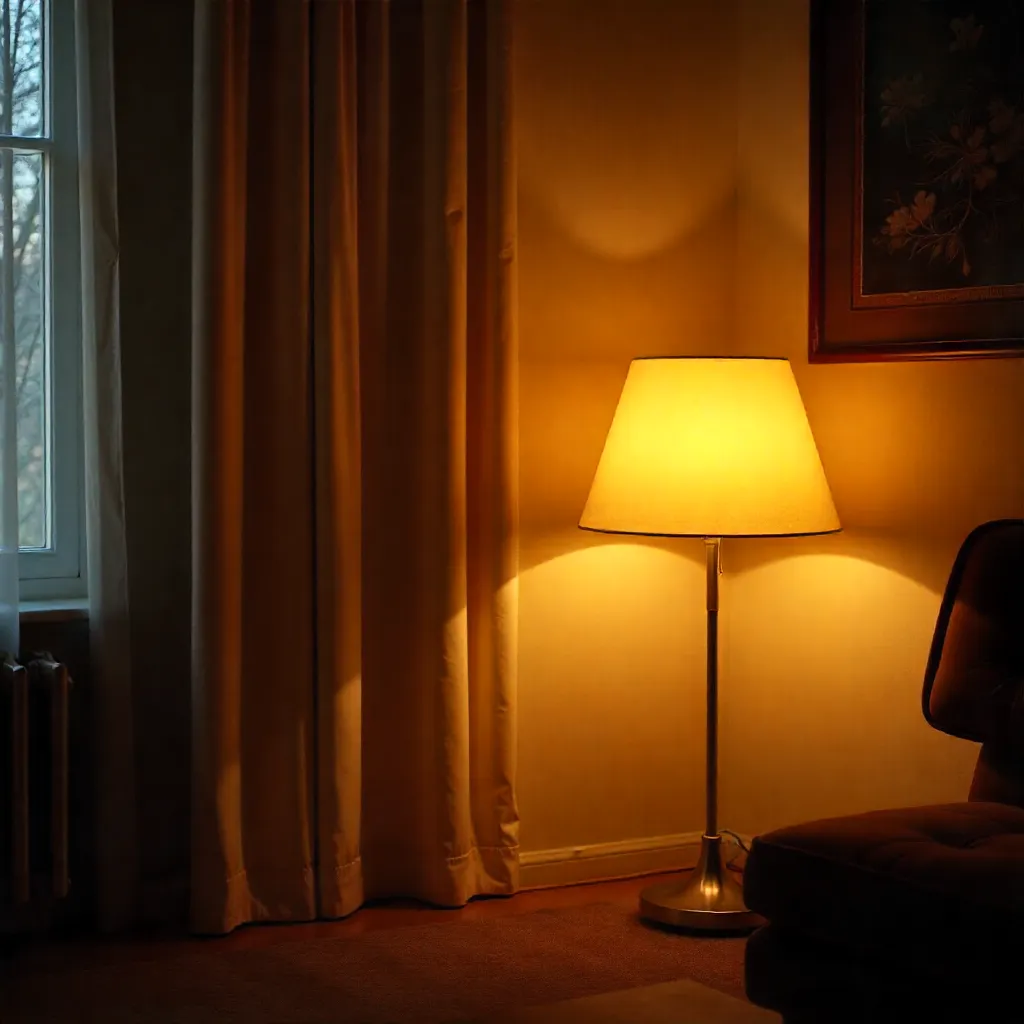
Natural daylight changes color temperature throughout the day. Morning light tends toward cooler, bluer tones that promote alertness. As the day progresses, light becomes warmer, with evening light shifting to amber and orange hues that signal the body to prepare for rest.
The Sun Path Concept
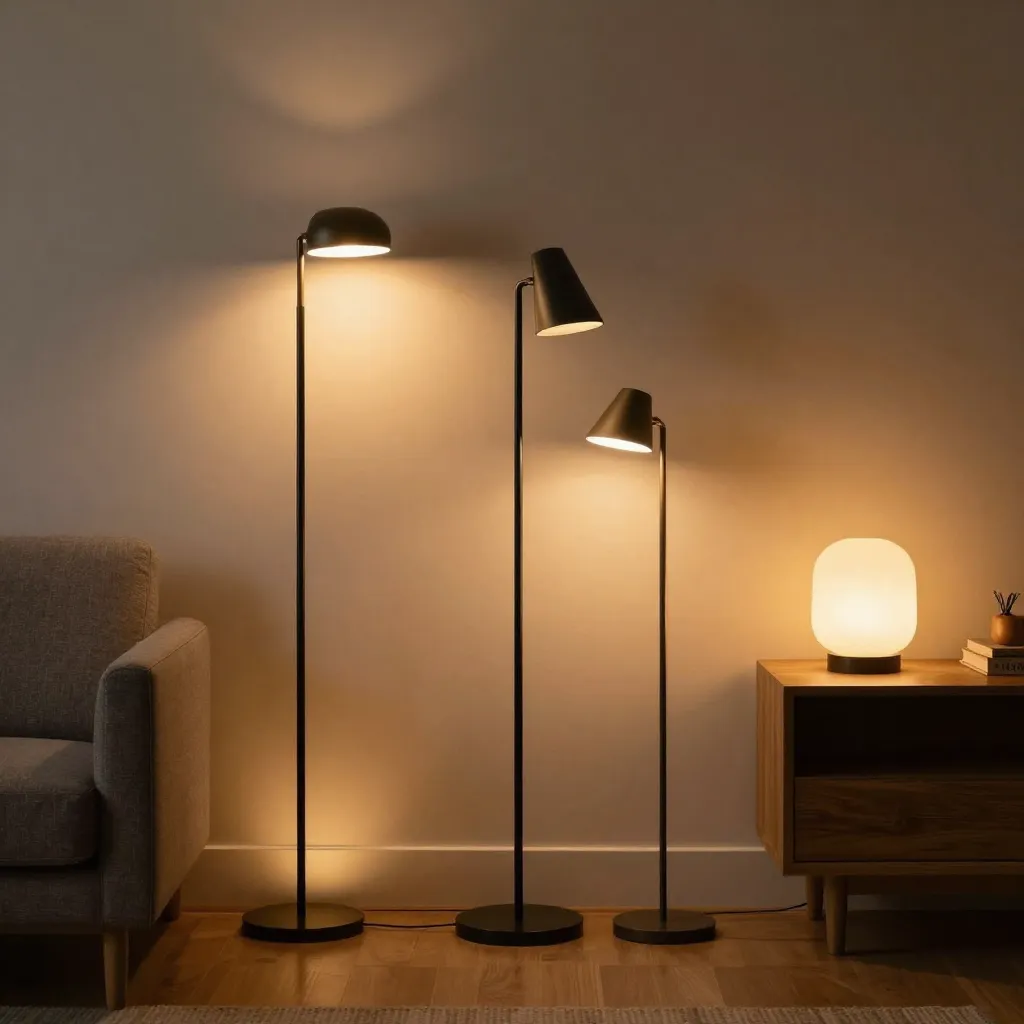
Morning Phase (2000K-3000K)
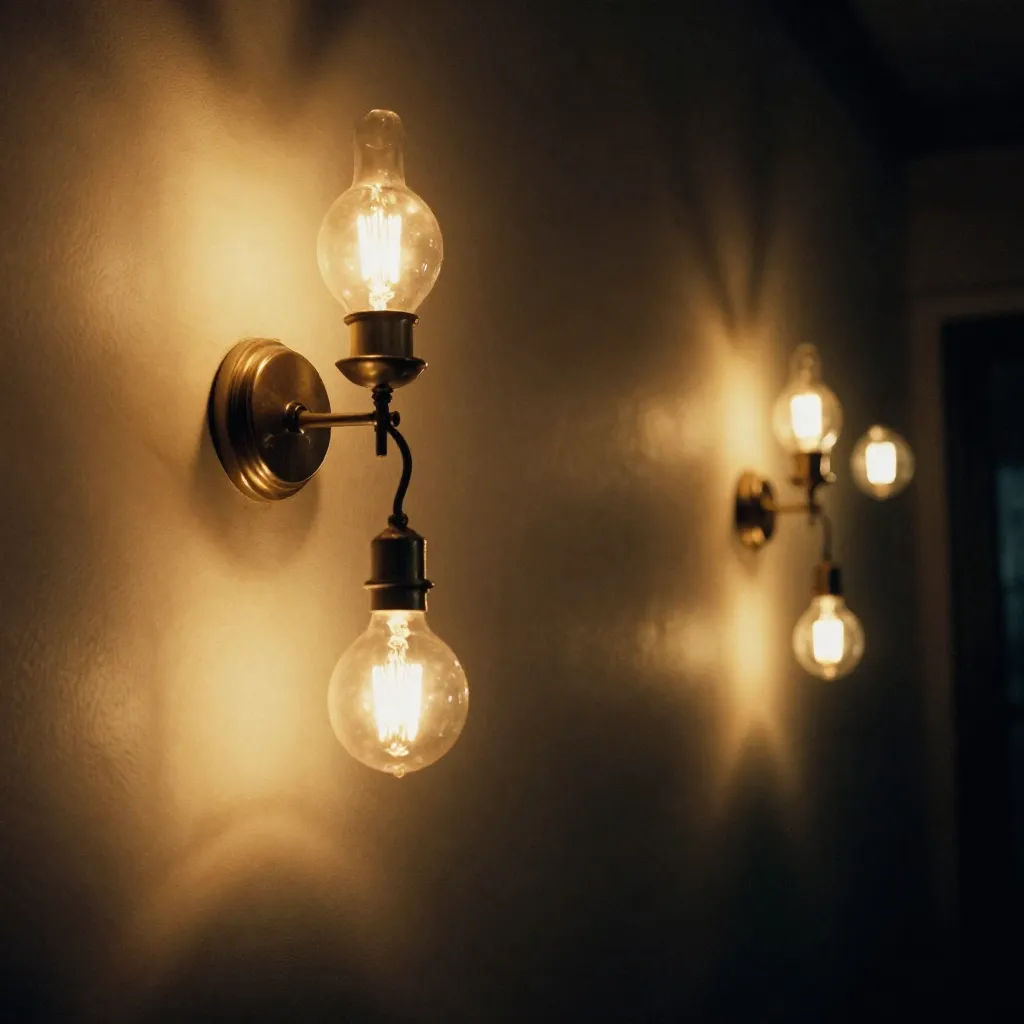
Warm, soft lighting helps ease the transition from sleep to wakefulness. Gentle amber tones support gradual awakening without harsh stimulation.
Recommended for: Bedrooms, breakfast areas, morning routines. Intensity should start low and gradually increase.
Daytime Phase (4000K-6500K)
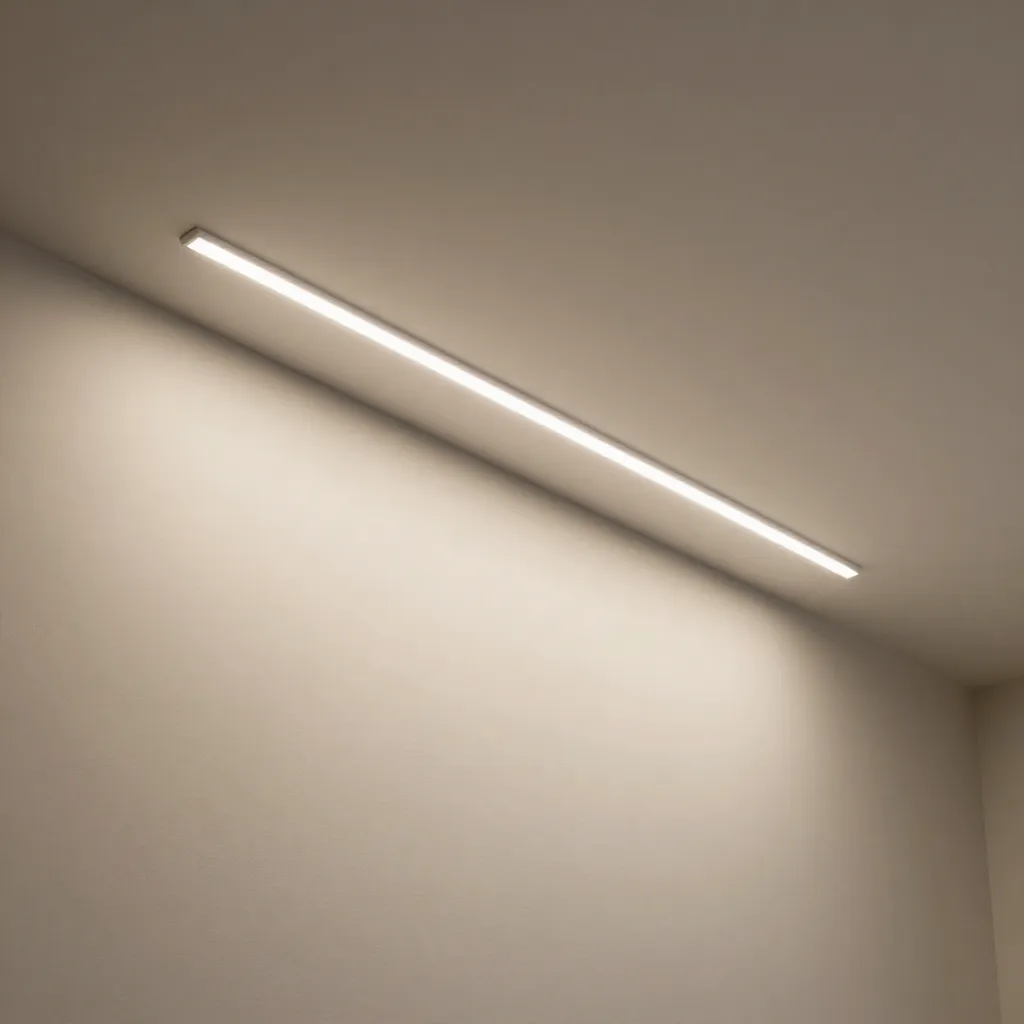
Cooler, brighter lighting supports alertness and focus during active hours. Blue-white tones help maintain energy and concentration.
Recommended for: Workspaces, kitchens, areas where tasks are performed. Intensity should be higher to support visibility.
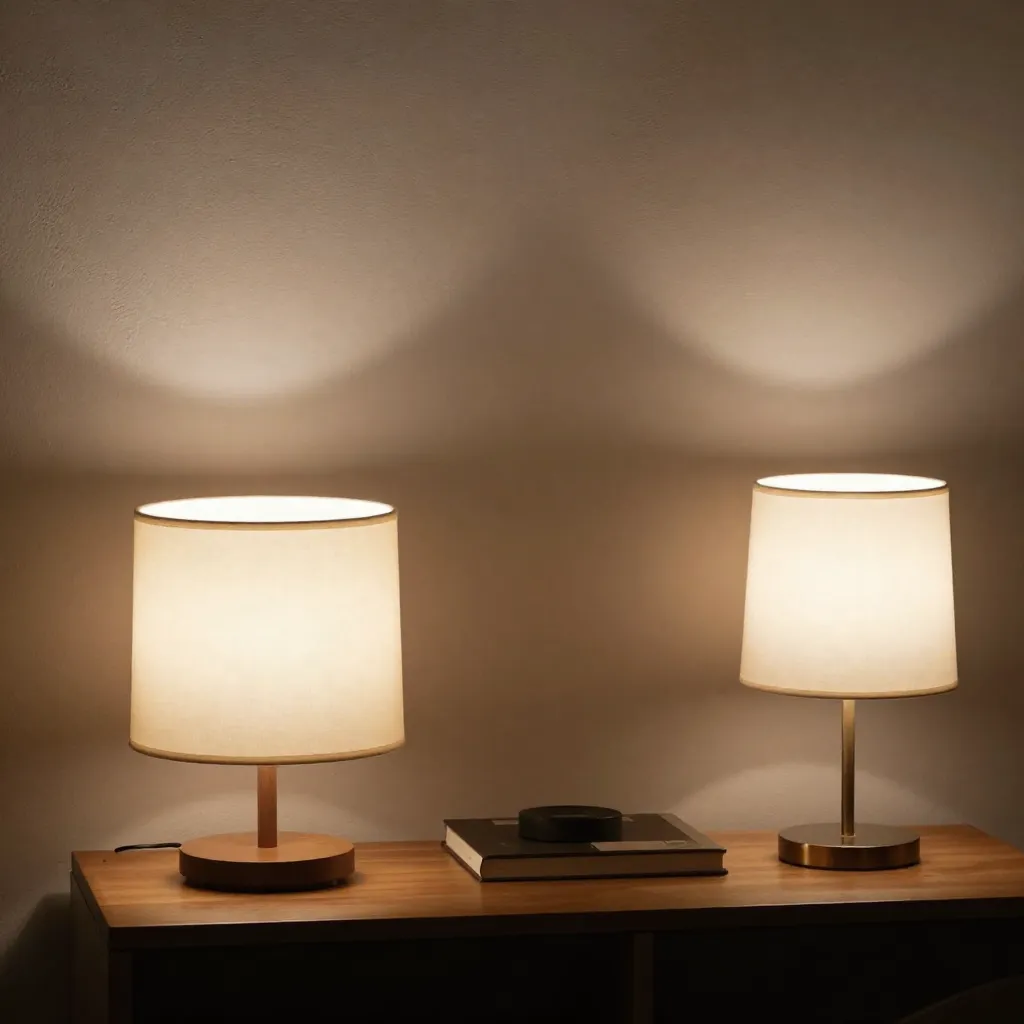
Evening Phase (2000K-2700K)
Returning to warm tones signals the body to begin winding down. Reduced blue light exposure helps prepare for restful sleep.
Recommended for: Living areas, bedrooms, spaces used in the evening. Intensity should gradually decrease.
Recommended Home Implementation
Automated Systems
Smart lighting systems can automatically adjust color temperature and intensity based on time of day, creating environments that support natural biological rhythms. These systems integrate seamlessly with daily routines, requiring minimal user intervention once configured.
Tunable Technology
Modern smart bulbs and fixtures offer tunable white technology, allowing color temperature adjustment from warm 2000K to cool 6500K. When combined with scheduling capabilities, these systems create lighting environments that adapt automatically throughout the day.
Practical Applications
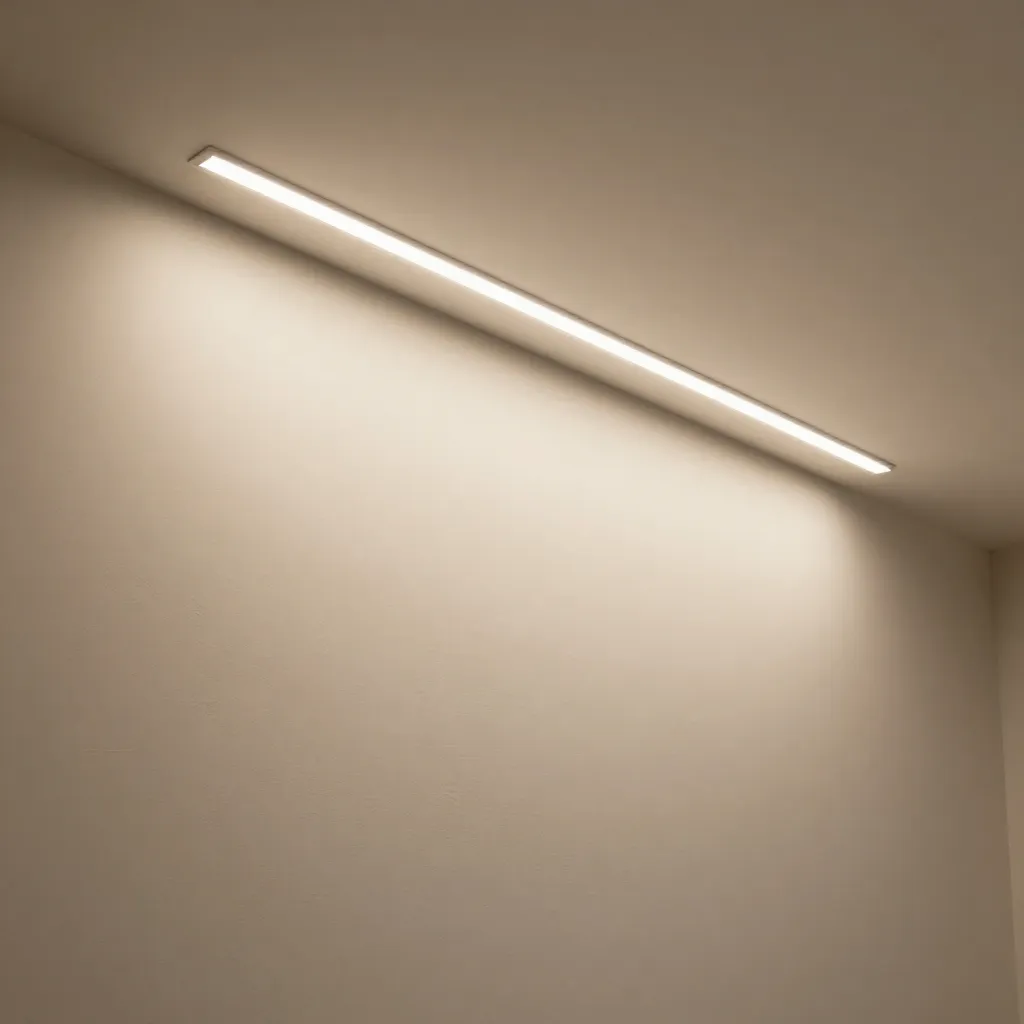
Programmable Systems
Automated lighting controls allow for seamless transitions between color temperatures throughout the day. These systems can be programmed to match individual schedules and preferences.
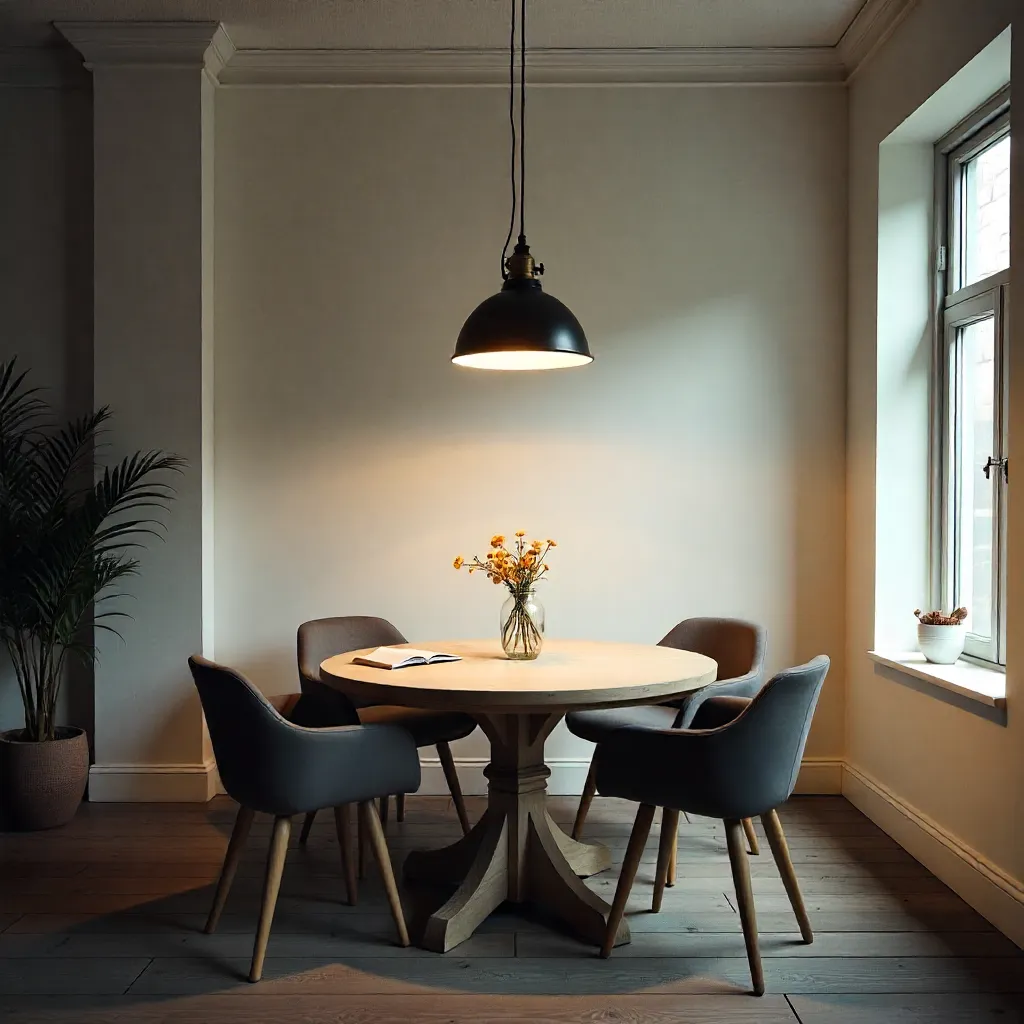
Room-Specific Settings
Different spaces may require different approaches. Bedrooms benefit from warmer evening lighting, while home offices might maintain cooler tones during work hours.